If you’ve been dreaming about a Tanzania safari but keep thinking, “Yeah… that sounds amazing, but my bank account would cry,” good news: it’s not as impossible as it sounds.
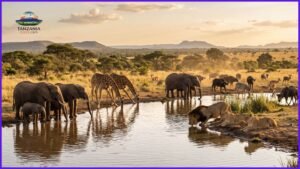
Tanzania is one of those bucket-list destinations people often assume is only for luxury travelers staying in fancy tented camps with champagne at sunset. And sure, that version exists. But you do not need to spend a fortune to see lions, elephants, giraffes, zebras, and maybe even the Great Migration.
In fact, if you do it smart, a group camping safari with a local operator can cost around $150$150–$250$250 per person per day. Yep, a real safari. In Tanzania. Without selling a kidney.
Why Tanzania is great for budget safaris
Tanzania is one of the best safari destinations in Africa because it gives you a lot of choices. You’ve got world-famous parks, amazing wildlife, and options for different budgets.
Compared with places like Botswana, which is often much more luxury-focused and can easily cost $700$700–$1,500+$1,500+ per day, Tanzania has way more affordable ways to do a safari. Kenya can be similar in overall pricing, but Tanzania often has better value for campers and group travelers, especially if you book locally.
Here are the main parks worth looking at if you want a budget-friendly trip:
Serengeti National Park – The big-name park. This is where you go for the Great Migration and classic safari scenes. It’s more expensive, but honestly, it’s iconic for a reason.
Ngorongoro Crater – One of the best places in Africa for seeing loads of animals in a short time. A one-day crater drive is the smartest budget option.
Tarangire National Park – Great for elephants, baobab trees, and beautiful scenery. Usually cheaper than Serengeti, which makes it a budget favorite.
Lake Manyara National Park – Smaller and more affordable. Good for a short game drive and easy to combine with other parks.
Best time to visit if you want to save money
If you want to cut costs, timing matters. A lot.
The cheapest time to go is during the low or green season, especially April to May. This is when prices drop the most because it’s the rainy season. You might get some wet weather, but you’ll also get fewer crowds, greener landscapes, and better deals.
Here’s the basic breakdown:
Peak season: June to October – Best wildlife viewing, dry weather, and highest prices.
Shoulder season: March and November – Still a good time to go, with fewer tourists and around 12%12%–15%15% off many packages.
Low season: April to May – Biggest savings, often 25%25%–40%40% off total safari costs.
Accommodation discounts in low season can reach 30%30%–50%50%, which is a big deal. For example, a 5-day northern circuit safari that might cost $2,500$2,500–$3,500$3,500 per person in peak season can drop to around $1,500$1,500–$2,000$2,000 in April or May.
One thing to remember: park fees usually stay the same all year. So the savings mostly come from cheaper accommodation and lower operator rates.
How much does a budget safari in Tanzania cost in 2026?
Safari prices in Tanzania vary a lot depending on how you travel.
Here’s a simple idea of what to expect:
Budget group camping safari: $150$150–$250$250 per person per day.
Budget lodge safari: $250$250–$450$450 per person per day.
Mid-range safari: $500$500–$700$700 per person per day.
Luxury safari: $900$900–$2,000+$2,000+ per person per day.
A typical 33 to 66-day budget safari from Arusha usually costs around $1,000$1,000–$2,500$2,500 per person in total.
That usually includes:
Shared 4×4 safari vehicle.
Driver-guide.
Meals.
Campsite or budget lodge accommodation.
Park fees.
But don’t forget the extra costs that sneak up on people:
International flights: around $800$800–$1,500$1,500.
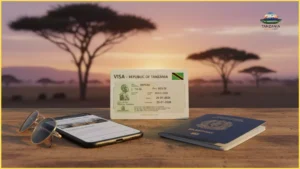
Tanzania e-visa: about $50$50.
Tips for guides and camp staff: around $10$10–$20$20 per day.
Travel insurance: roughly $50$50–$150$150 depending on coverage.
Best ways to save money on a Tanzania safari
If you want the best value, these tips make a huge difference:
Travel in a group – This is the number one money saver. The cost of the safari vehicle and guide is usually fixed, so the more people sharing, the cheaper it gets per person.
Choose public campsite safaris – These are much cheaper than private camps or lodges. You’ll get basic facilities, but if you’re okay with simple camping, the savings are worth it.
Book with local operators in Arusha – This can save you a lot because international agencies often add hefty markups. Check reviews and compare quotes before choosing.
Stick to 22 or 33 parks – Every extra park adds more fees and more driving time. A shorter route often gives better value.
Travel in low or shoulder season – This is when operators are most flexible with pricing.
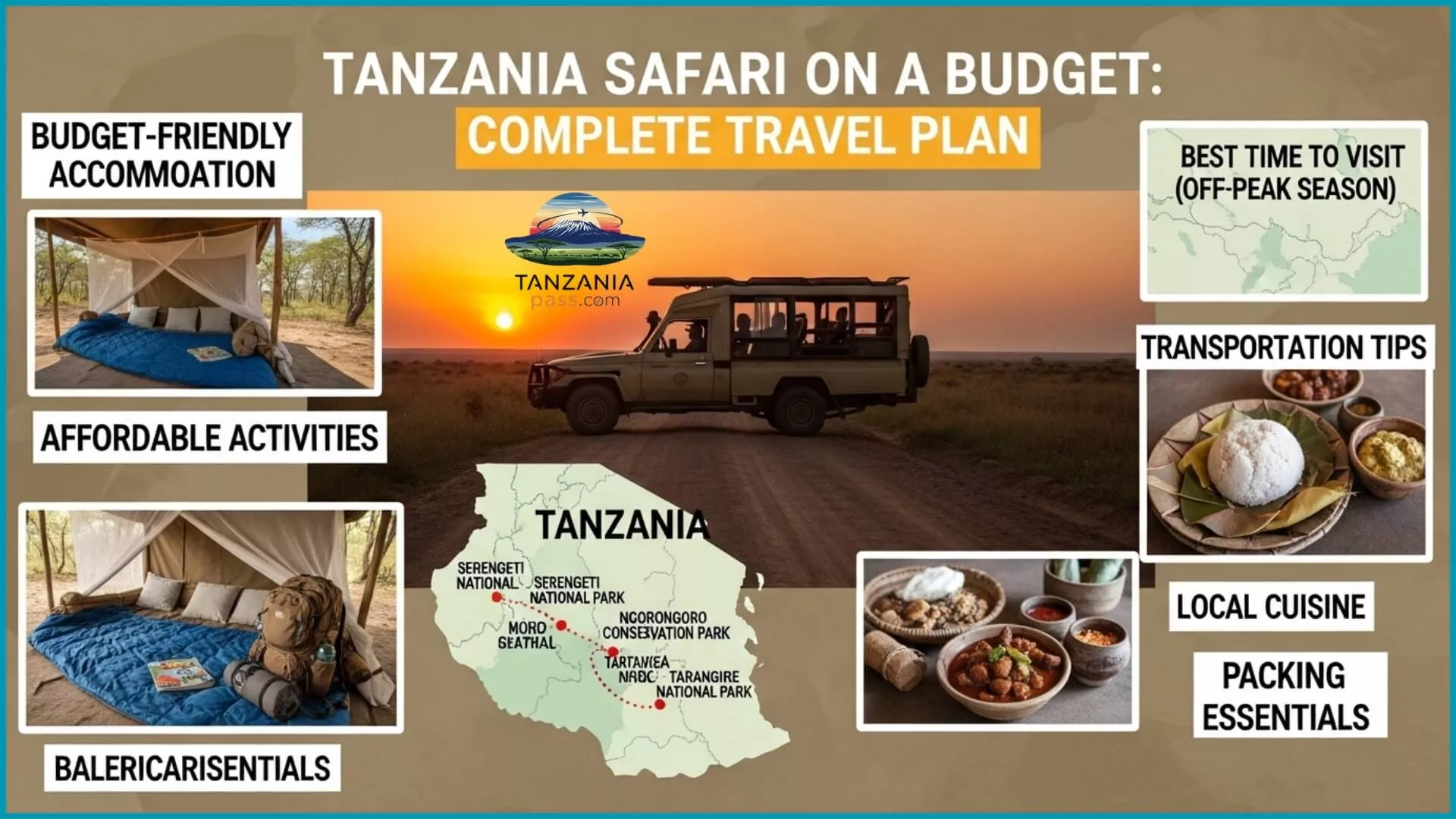
A really cost-effective route is Tarangire + Ngorongoro + Lake Manyara. It gives you strong wildlife viewing without the bigger Serengeti price tag.
A smart 6-day budget itinerary
If you want a simple and affordable safari plan, this one works really well:
Day 1 – Arusha
Arrive at Kilimanjaro International Airport JROJRO and head to Arusha. Stay in a budget hostel or guesthouse for around $15$15–$40$40 per night. Most safari trips start here, so you can meet your operator and go over the plan.
Days 2–3 – Tarangire National Park
This is a fantastic first stop. Tarangire is known for its massive elephant herds, beautiful baobab trees, and solid wildlife viewing at a lower price than Serengeti. Public campsite stays help keep costs down.
Day 4 – Lake Manyara National Park
This park is smaller, which actually works well on a budget. A half-day or full-day drive here is enough for many travelers. You may see flamingos, hippos, monkeys, and if you’re lucky, the famous tree-climbing lions.
Days 5–6 – Ngorongoro Crater
Ngorongoro is one of those places that almost feels unfair. The wildlife density is so high that even a one-day crater drive can feel epic. That’s why it’s such a great budget choice: you get a lot of action in a short time.
Optional extension – Serengeti
If your budget stretches a bit further, add 11 or 22 extra days for Serengeti. This will increase the price quite a bit, but if you’re visiting during the Great Migration period, it may be totally worth it.
Budget accommodation options
You don’t need luxury tents to enjoy a safari. Tanzania has a few budget-friendly ways to stay close to the action:
Public campsite safaris – Usually around $30$30–$60$60 per person per night, including camping fees. Facilities are basic, but the experience feels real and adventurous.
Budget lodges – Around $50$50–$100$100 per night. These are good if you want a proper bed and a bit more comfort without jumping to mid-range prices.
Hostels in Arusha – Great for your first or last night. Dorm beds often start around $15$15, while private rooms are usually $30$30–$50$50.
How to choose a good budget safari operator
This part matters a lot. A safari that looks suspiciously cheap can end up costing more later through hidden fees, bad vehicles, poor food, or guides who are basically just guessing where the lions are.
Here’s what to do:
Read recent reviews on TripAdvisor, SafariBookings.com, and Google.
Ask for a full itemized quote so you know exactly what’s included.
Check whether the trip uses public campsites or special campsites.
Compare at least 3 different quotes before booking.
Make sure the company is TATO-registered.
Booking directly with a local operator in Arusha is often the best way to get a fair price.
Getting around
For northern circuit safaris, the easiest and most common arrival airport is Kilimanjaro International Airport (JRO) near Arusha. It’s usually more practical than flying into Dar es Salaam if your safari starts in the north.
A few transport tips:
Budget safaris usually use shared pop-top 4×44×4 vehicles.
In Arusha, use daladala buses or shared taxis for cheap local transport.
Avoid domestic flights between parks if you’re trying to save money. Overland transfers are usually included in safari packages anyway.
What to pack
You don’t need loads of gear, but a few things really help:
- Neutral-colored clothes like khaki, beige, or olive.
- Reusable water bottle to save money and cut down on plastic.
- Power bank, because campsites may have limited charging.
- Light rain jacket, especially on the shoulder or during the low season.
- Binoculars, if you have them. Seriously, they make a big difference.
Safety and practical tips
Tanzania is generally considered safe for budget travelers doing organized safaris, especially if you book with a licensed and reputable operator.
A few basic tips:
Book only with licensed, TATO-registered operators.
Carry some USD cash for tips, snacks, and emergencies.
Always stay in the vehicle during game drives unless your guide says otherwise.
Listen to your guide about wildlife. The animals are amazing, but they are not there to become your selfie partners.
Drink plenty of water. The sun can be intense even when it doesn’t feel super hot.
Pros and cons of a budget safari
Budget safaris are awesome, but it’s good to know what you’re signing up for.
Pros
You get world-class wildlife without luxury prices.
It’s a great way to meet other travelers.
Camping can feel more adventurous and memorable.
You can spend longer in Tanzania because your daily costs are lower.
Cons
Facilities can be very basic.
Group tours usually follow fixed itineraries.
You’ll have less privacy.
Low-season travel can come with weather risks.
FAQ
Is Tanzania safe for budget travelers?
Yes, especially if you’re doing an organized safari with a licensed company. Arusha is a very common base for backpackers and safari travelers.
What’s the absolute cheapest way to do a safari in Tanzania?
A group camping safari booked directly with a local operator in Arusha, during April or May, focusing on Tarangire and Ngorongoro instead of adding Serengeti.
Can I do a self-drive safari in Tanzania?
Technically, yes, but for most first-time visitors, it’s not a great idea. Tanzania is not the easiest country for self-drive safaris. Roads can be rough, signs are limited, and spotting wildlife is much harder without an experienced guide.
If you’ve always thought a Tanzania safari was out of reach, it might be time to rethink that. You probably won’t be sipping cocktails in a five-star tented camp, but you can watch elephants cross the road, hear lions somewhere in the distance, and fall asleep under a sky full of stars without blowing your entire travel budget.