Ask ten people when to visit Tanzania, and you’ll get ten different answers — and honestly, they’re all a little right. If you want the Serengeti crowded with wildebeest and almost nothing else, that’s a June-to-October trip. If you’d rather have Ngorongoro Crater mostly to yourself and don’t mind an afternoon downpour, aim for April or May. Want to combine a safari with lazing on a Zanzibar beach? That changes the math again.
There isn’t one “best” month for Tanzania. There’s a best month for your trip — depending on whether you’re chasing the Great Migration, climbing Kilimanjaro, traveling on a budget, or bringing kids along for their first safari. This guide walks through the weather, the seasons, and what’s actually happening on the ground month by month, so you can pick a window that matches what you’re after.
What Is the Best Time to Visit Tanzania?
If you only remember one thing: June through October is the classic safari window. The rains have stopped, vegetation thins out, and animals cluster around rivers and waterholes, which makes them far easier to spot. It’s also peak season for the Great Migration’s river crossings and for climbing Kilimanjaro, so expect higher prices and busier lodges.
That said:
- Best for wildlife viewing overall: late June through September
- Best for the Great Migration’s dramatic crossings: July through September, in the northern Serengeti
- Best for Zanzibar’s beaches: June to October, plus a second good window in December to February
- Best for climbing Kilimanjaro: January–March or June–October, when trails are driest
- Best for a budget trip: April and May, the quietest and cheapest months of the year
- Best for first-timers who want a bit of everything without peak crowds: October or late June
Tanzania Weather at a Glance
Tanzania’s climate breaks down more by rainfall pattern than by temperature — it’s warm nearly year-round, so the real question is how wet the trails and roads will be.
| Month | Weather | Safari | Zanzibar | Crowds |
|---|---|---|---|---|
| January | Warm, mostly dry | Excellent | Excellent | Moderate |
| February | Warm and dry | Excellent | Excellent | Moderate |
| March | Rains building | Good | Good | Lower |
| April | Wet (long rains) | Lower | Quiet | Low |
| May | Cooler, drying out | Good | Good | Low |
| June | Dry and sunny | Excellent | Excellent | High |
| July | Dry | Excellent | Excellent | High |
| August | Dry | Excellent | Excellent | High |
| September | Dry | Excellent | Excellent | High |
| October | Warm, mostly dry | Excellent | Excellent | Moderate |
| November | Short rains | Good | Good | Lower |
| December | Warm, mixed | Good | Good | Moderate |
Tanzania Dry Season vs. Wet Season
Dry Season (June–October)
This is peak season for a reason. Water sources dry up outside the major rivers, which pulls animals into predictable areas and makes for some of the easiest game viewing anywhere in Africa. Skies stay clear, dust rises off the plains in the golden light, and mornings can actually get chilly on an open safari vehicle — pack a fleece. The catch: everyone else knows this too, so lodges book out early and rates climb.
Wet Season (November–May, with regional variation)
Don’t write off the rains too fast. The landscape turns a deep green that photographs beautifully, migratory birds arrive in huge numbers, and newborn wildlife (calving season runs roughly January–February) means predator action is at its peak even though the grass is taller. Rain usually falls in short, heavy afternoon bursts rather than all-day drizzle, so mornings are often clear. Fewer tourists means better rates and a quieter, more personal safari.
Shoulder Seasons
March through May and November sit in between — not quite dry, not quite the heaviest rains. This is where the value lives: lower prices, thinner crowds, and weather that’s usually more manageable than the “wet season” label suggests, especially in May and November. The trade-off is a bit more unpredictability, so build flexibility into your itinerary.
Best Time to Visit Tanzania for a Safari
Best Months for Wildlife Viewing
Dry months concentrate animals around permanent water, which is what makes June–October so reliable. Thinner vegetation also means you can actually see what you’re looking at instead of squinting into tall grass.
Best Time for the Serengeti
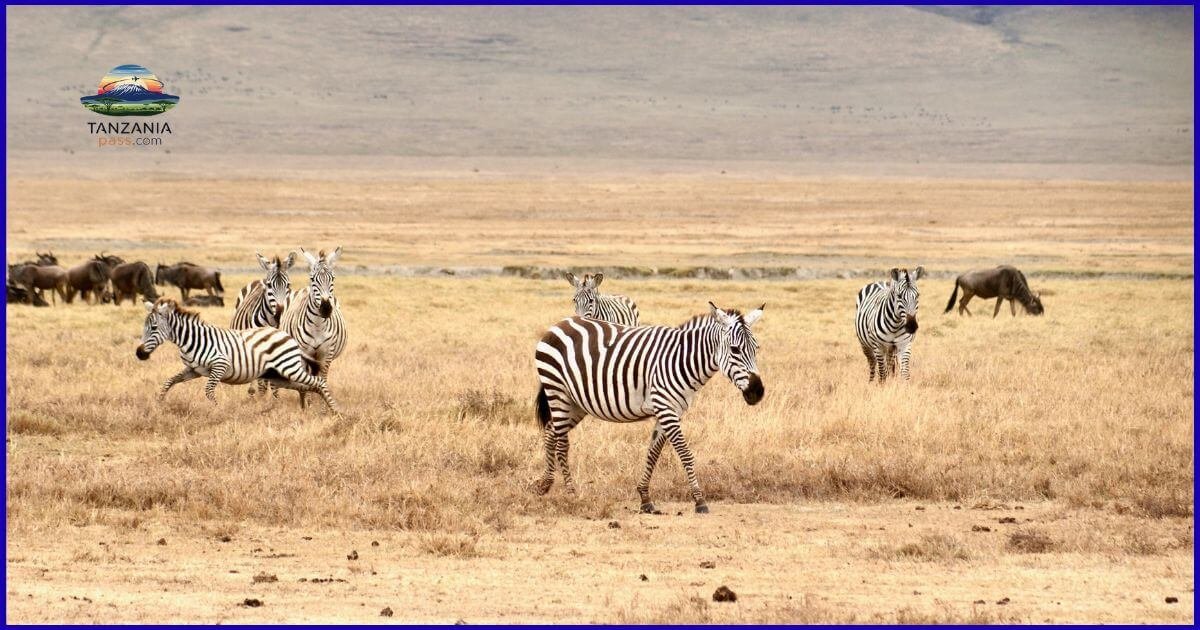
There’s no single perfect month here, because the Serengeti isn’t one static place — it’s a moving system. The herds are in the southern plains for calving in January and February, push northwest through the central Serengeti by April and May, and reach the northern Serengeti and Mara River by July through September. Wherever the migration is at a given time, that region tends to offer the best game viewing.
Best Time for Ngorongoro Crater
The Crater is a bit of an exception to the seasonal rulebook — it holds a dense, resident wildlife population year-round because of its permanent water and grazing. Dry months make for easier road conditions on the descent, but even a rainy-season visit here tends to deliver. Many travelers pair it with the Serengeti as part of a northern circuit.
Best Time for Tarangire National Park
Tarangire shines in the dry season, when elephants — sometimes in herds of a hundred or more — gather along the Tarangire River as other water sources vanish. It’s often combined with Ngorongoro and the Serengeti on a northern-circuit itinerary.
Best Time to See the Great Migration in Tanzania
- January–February: Calving season in the southern Serengeti plains. Hundreds of thousands of wildebeest give birth within a few short weeks, and predators follow closely behind.
- March–May: The herds start moving northwest through the central Serengeti as the rains progress.
- June–July: Movement continues north; the first river crossings can begin depending on conditions that year.
- August–September: The herds are typically in the northern Serengeti, and this is when the famous Mara River crossings are most likely — though exact dates shift year to year and can never be guaranteed.
- October–December: The herds turn back south, heading toward the plains again as the cycle restarts.
One honest note: the migration follows rainfall, not a calendar, so any date-specific promise you see online is really a probability, not a guarantee.
Best Time to Visit Zanzibar
Best Months for Zanzibar Beaches
June through October and December through February bring the sunniest, driest conditions for swimming, snorkeling, and diving, with warm, clear water most of the year.
Best Time for Zanzibar for Couples
Sunset dhow cruises and evenings wandering Stone Town’s alleys work almost any time of year, but the drier months make outdoor dinners and beach walks more reliable.
Best Time for Zanzibar With Kids
Calmer seas and consistent sunshine in the dry months make daily beach time easier to plan around nap schedules and shorter attention spans.
Rainy Seasons in Zanzibar
The long rains (roughly March–May) bring heavier, more sustained downpours than the mainland’s dry-season interludes, and the short rains arrive around November. Neither shuts the island down, but they’re worth planning around if beach time is the whole point of your trip.
Best Time to Climb Mount Kilimanjaro
The two driest windows — January to mid-March and June to October — offer the best visibility and the most stable trail conditions. Wetter months mean slippery paths and reduced summit views, though some experienced climbers actually prefer the quieter trails in the shoulder months. Weather can shift fast at altitude regardless of season, so a good guide, the right gear, and a flexible itinerary matter more than picking the “perfect” week. Route choice (Machame, Lemosho, Marangu, and others) also affects how weather plays out, so talk it through with a reputable operator before booking.
Best Time to Visit Tanzania by Month
January – Warm and mostly dry. Calving season begins in the south, and Zanzibar’s beaches are in great shape.
February – Peak calving season, with intense predator activity on the southern plains; beaches remain excellent.
March – The rains start building. Fewer tourists, greener scenery, and softer light for photography.
April – The heart of the long rains. Some camps close, but this is also the quietest, most affordable stretch of the year.
May – Rains taper off. A genuine sweet spot for value-conscious travelers who don’t mind occasional showers.
June – The dry season begins in earnest. Excellent safari conditions and rising demand.
July – Peak safari season, with migration activity building toward the river crossings.
August – Prime time for the northern Serengeti and possible Mara crossings, plus reliable Zanzibar weather.
September – Still dry and busy, with strong wildlife viewing and good Kilimanjaro conditions.
October – Warm and mostly dry, but noticeably less crowded than midsummer.
November – The short rains arrive, landscapes turn green again, and prices start to ease.
December – Warm, with mixed showers; a popular window for combining safari and Zanzibar around the holidays.
Best Time to Visit Tanzania for Different Travelers
- First-time visitors: June, July, or October — reliable weather without the absolute peak-season crush.
- Families: July–September for dry, predictable conditions, or December for holiday travel.
- Couples: Any dry-season month for classic safari and beach combinations; the shoulder months for a quieter, more private feel.
- Photographers: November–May for dramatic skies, green landscapes, and calving-season action.
- Adventure travelers: June–October or January–March for the driest Kilimanjaro conditions.
- Budget travelers: April and May, hands down.
Tanzania Events and Festivals
Tanzania’s cultural calendar runs alongside its natural one. Local and regional celebrations happen throughout the year, and Christmas and New Year bring a festive energy to both the mainland and Zanzibar, along with higher travel demand. Zanzibar in particular hosts music, food, and cultural festivals that draw visitors well beyond the safari crowd. Because exact dates shift annually, check the official event calendar for the year you’re traveling before building a trip around a specific festival.
Best Time to Visit Tanzania for Wildlife Photography
Dry-season light is hard to beat — dust in the air turns sunrise and sunset into something cinematic, and thin vegetation means clear sightlines. But the green season has its own appeal: dramatic storm clouds, saturated colors, and the added bonus of newborn animals and vivid birdlife. If the Great Migration is your main subject, plan around its seasonal movement rather than a fixed month.
Best Time to Visit Tanzania on a Budget
April and May are the clear winners — expect lower rates across safari lodges, Zanzibar hotels, and even flights, along with noticeably thinner crowds. November offers a smaller version of the same discount. If you’re set on a dry-season trip but still want to save, booking well in advance and choosing shoulder weeks (early June or late October) can split the difference.
How Many Days Do You Need in Tanzania?
- 5 days: A focused, short safari — usually the northern circuit (Ngorongoro and the Serengeti or Tarangire).
- 7 days: A relaxed pace through the full northern safari circuit.
- 10 days: Safari plus a few days unwinding in Zanzibar.
- 14 days: Room for safari, Zanzibar, and either Kilimanjaro or a deeper exploration of southern parks like Ruaha or Selous.
What to Pack for Tanzania
- Lightweight, breathable clothing in neutral colors for safari
- Strong sun protection — hat, sunscreen, sunglasses
- Comfortable, broken-in walking shoes
- Binoculars and a camera with a decent zoom
- A rain jacket if traveling in the wetter months
- A warm layer for early-morning game drives, even in the dry season
- Swimwear and light, breathable clothing for Zanzibar
Tanzania Travel Tips for Every Season
- Check regional weather specifically — Tanzania is large, and conditions vary by area.
- Match your safari route to where the migration or wildlife is likely to be that month.
- Book peak-season accommodation months ahead; lodges fill up fast.
- Leave a little slack in your itinerary in case weather shifts plans.
- Travel respectfully around local communities and wildlife.
- Book through reputable, licensed safari and mountain operators.
- Confirm current entry requirements, vaccinations, and health guidance before you fly.
Frequently Asked Questions About the Best Time to Visit Tanzania
What is the best month to visit Tanzania? There’s no universal answer, but July through September is the most popular window for reliable dry-season safari conditions.
What is the best time to go on safari in Tanzania? June through October, when animals gather around limited water sources and are easiest to spot.
What is the rainy season in Tanzania? Roughly March to May (long rains) and November (short rains), though timing varies by region and year.
What is the dry season in Tanzania? June through October, with a secondary dry stretch from January to February.
What is the best time to see the Great Migration? It depends on what you want to see: calving in January–February, or river crossings in July–September.
What is the best time to visit Zanzibar? June to October and December to February offer the driest, sunniest beach weather.
What is the best time to climb Mount Kilimanjaro? January to mid-March or June to October, for the driest trail conditions.
Is Tanzania good to visit in the rainy season? Yes, especially for photographers and budget travelers — expect short, heavy afternoon showers rather than all-day rain, and far fewer crowds.
What is the cheapest time to visit Tanzania? April and May, by a clear margin.
How many days do you need in Tanzania? A week covers a solid safari; 10–14 days lets you add Zanzibar or Kilimanjaro.
Is Tanzania suitable for a family holiday? Yes — the dry season (July–September) or December tends to work best for families, thanks to predictable weather and easier logistics.
There’s no single perfect month for every traveler, and that’s actually good news — it means there’s a right window for whatever you’re after. The dry season delivers the classic safari postcard: dust, golden grass, animals clustered at the waterhole. The green season trades some of that predictability for quieter parks, dramatic skies, and a noticeably smaller bill. Zanzibar runs on its own rhythm, and the Great Migration moves according to rainfall, not a calendar.